
What makes a composer’s work accessible, and how has that changed over time? In the music that makes up tonight’s concert, three composers, all masters of their own craft, provide works that continue to astonish their audiences, so much so that each has become a beloved work.
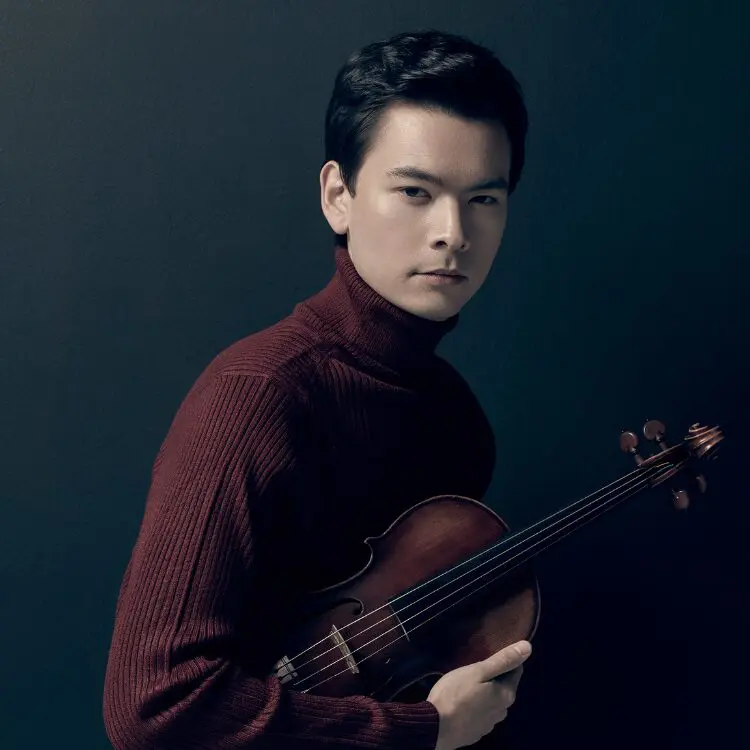
Pyotr Ilyich Tchaikovsky’s sumptuous Violin Concerto, op. 35, D major features romantic melodies, but here they are juxtaposed with energetic tunes derived from Russian folk music.
Similarly, Randall Thompson, better known today for his choral music, demonstrates that he can be lyrical one moment and rhythmically jaunty the next, combining the colors of a hymn with ragtime and jazz rhythms.Jennifer Higdon, in her swift and virtuosic Machine, pays tribute to composers such as Tchaikovsky, who “seemed to be able to write so many notes and so much music” that he was like a machine. The works of all three composers combine a penchant for the lyric with incredible rhythmic interplay — contrasting intensity with a kind of sensibility — making them not only accessible but also memorable.
McGuire, Professor of Musicology at Oberlin College & Conservatory, studies the music of Edward Elgar, Ralph Vaughan Williams, sight-singing techniques and the intersection of choral singing and moral reform movements. His publications include Music and Victorian Philanthropy: The Tonic Sol-fa Movement, Elgar’s Oratorios: The Creation of an Epic Narrative and The Historical Dictionary of English Music, which he co-authored with Oberlin colleague Professor Steven Plank. He is also a frequent and popular pre-concert lecturer throughout Northeast Ohio.